Apple, Nike, Resy. The work before the studio.

Three engagements as an iOS engineer and lead: fifteen retail showcase apps for Beats and AirPods, the Nike Run Club prototype team, and ResyOS on the restaurant floor.

01 — Firstborn, for Apple and Beats · Aug 2019 – Apr 2020Apple & Beats Product Showcases
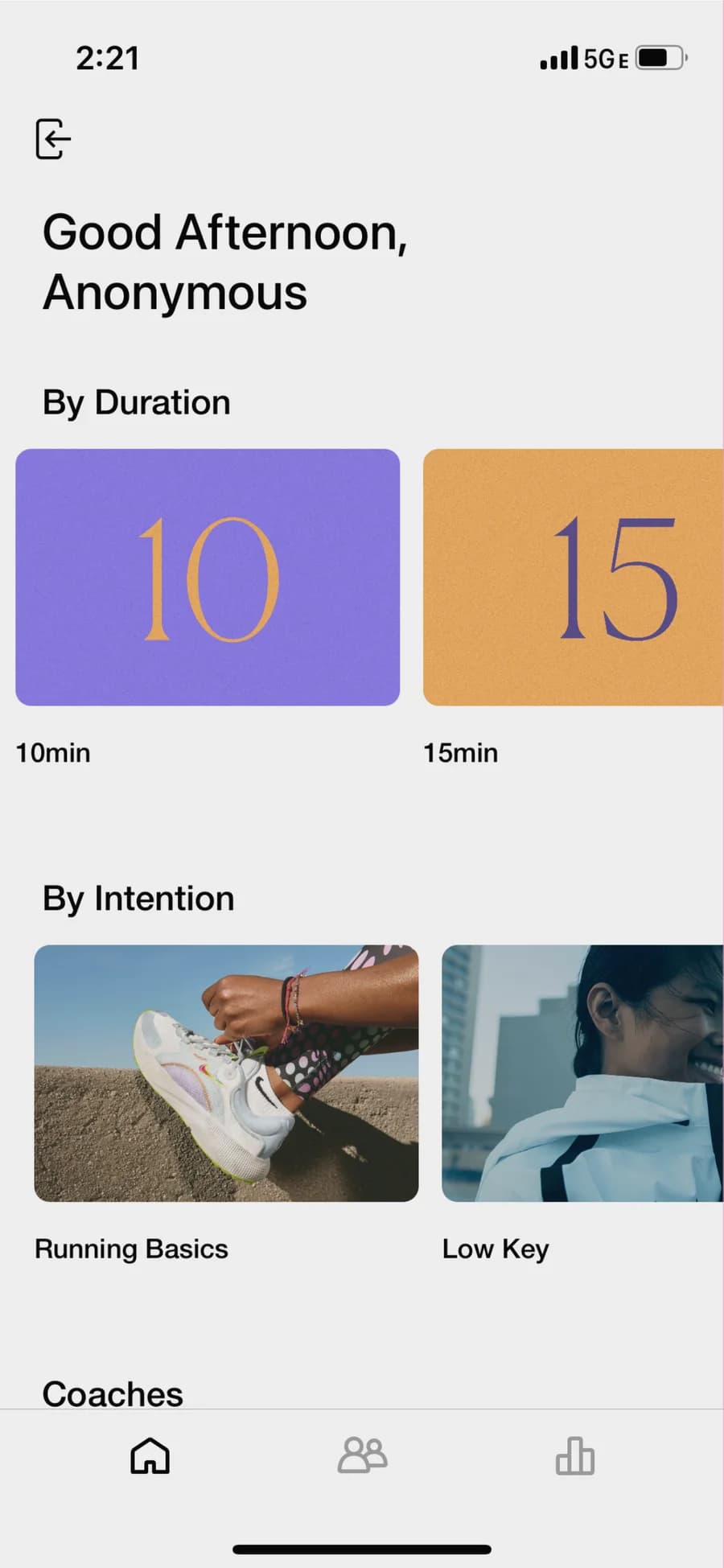
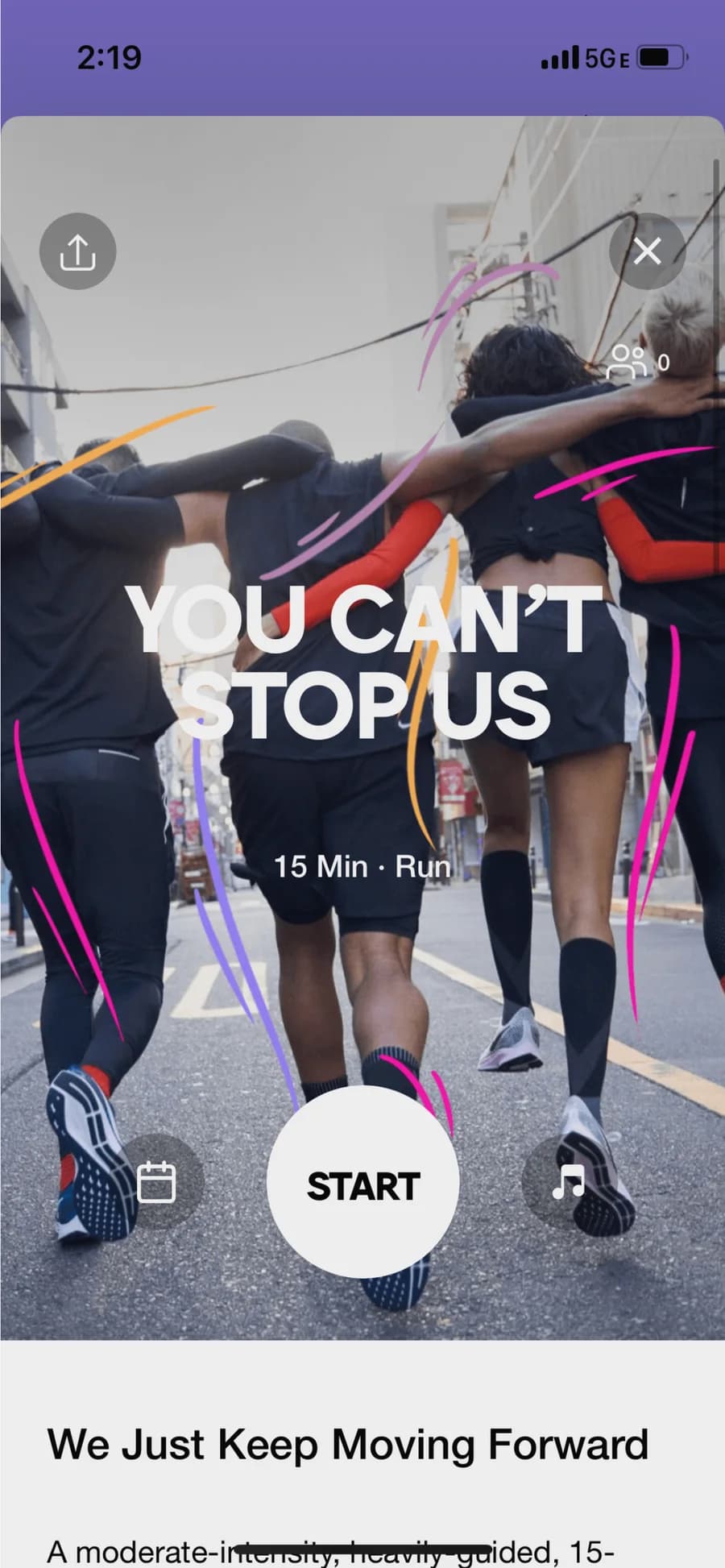
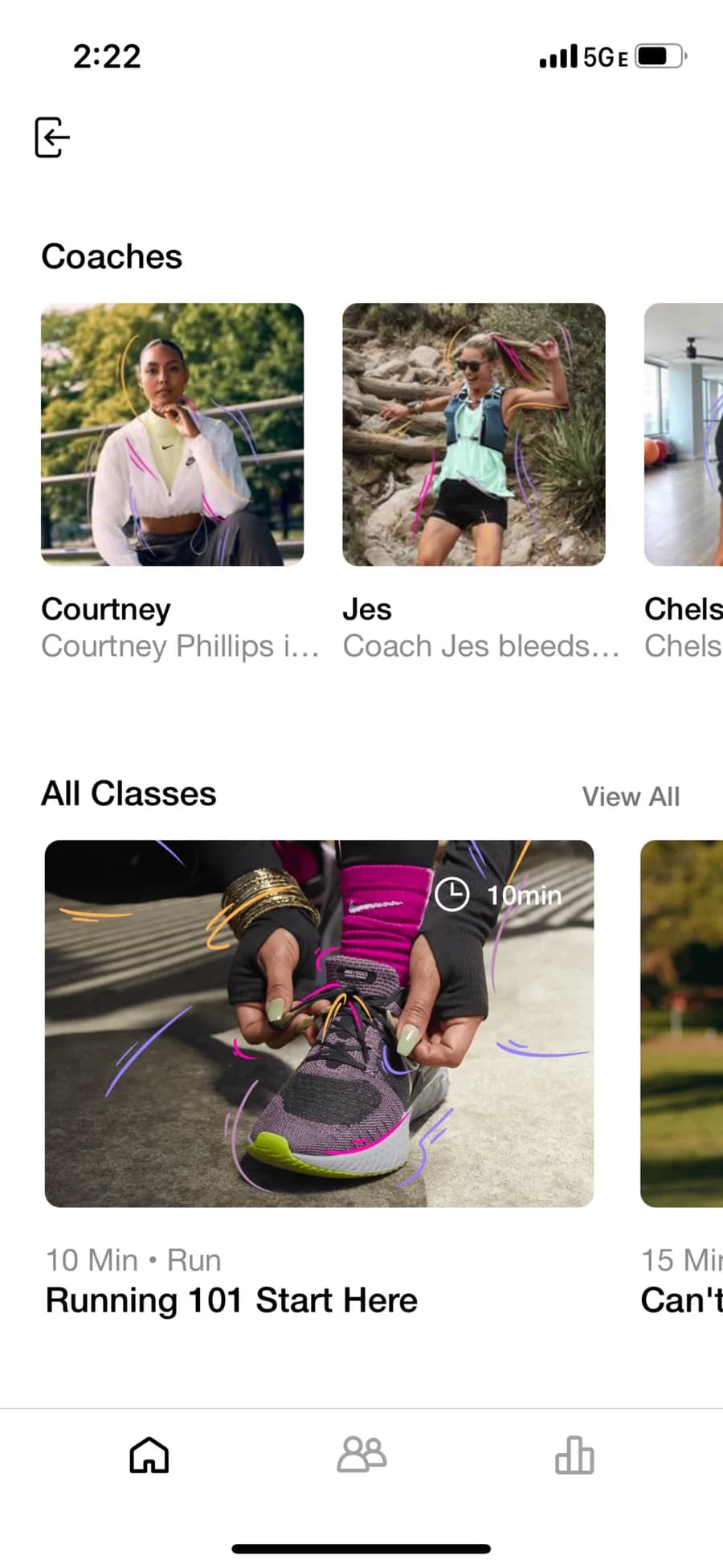
Nike Run Club prototype home: pick a run by duration or by intention
02 — Nike · Dec 2020 – PresentNike Run Club Prototypes
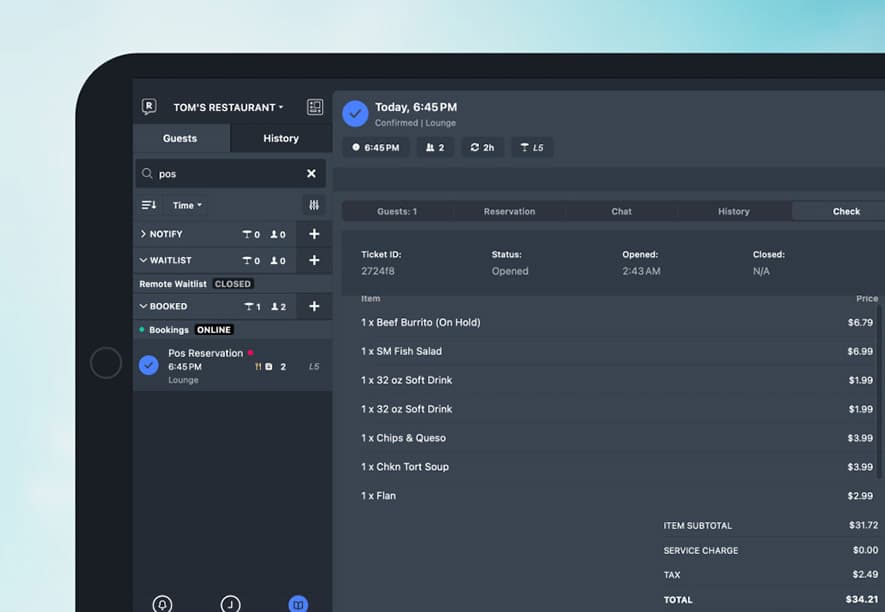
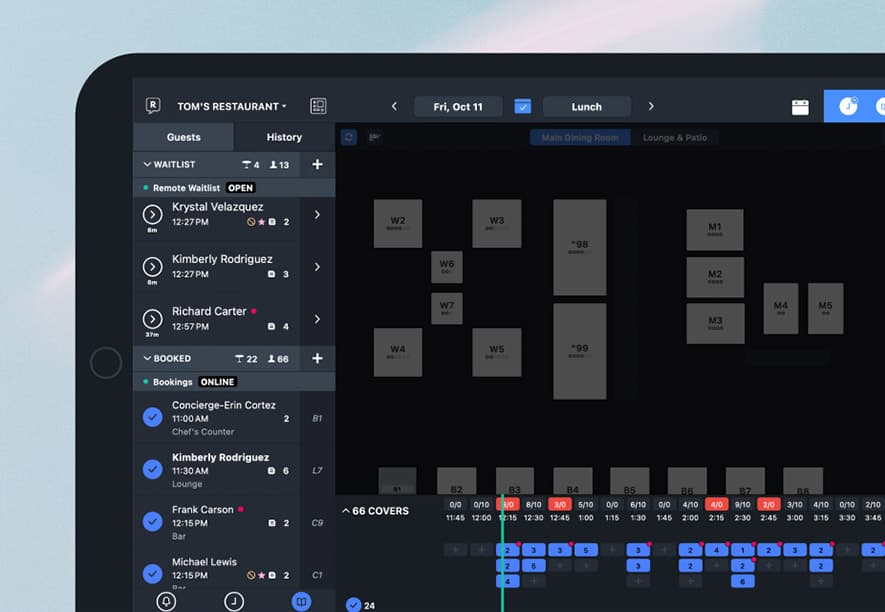
ResyOS on an iPad: the floor plan with tables, the waitlist and the evening's reservations
03 — Resy · Jan – Apr 2019ResyOS Restaurant Management System

Apple & Beats Product Showcases

Working with Firstborn for Apple and Beats, we developed immersive mobile applications designed to showcase the features and capabilities of newly released audio products, creating experiences that educated consumers while driving brand engagement.

The suite in motion — fifteen apps across iPhone and iPad.

The Challenge

High-end audio products like Beats headphones and Apple AirPods contain sophisticated technology that isn't immediately visible to consumers. Our challenge was to create digital experiences that effectively demonstrated these features in retail environments, allowing customers to understand the value proposition before purchase.

Introducing Solo Pro — the in-store opening sequence.

Comprehensive Product Suite

Over the course of this contract, we developed 15 distinct iPad and iPhone applications, each designed to highlight specific aspects of different products:

  • Interactive demos showcasing noise cancellation technology
  • Visual representations of spatial audio capabilities
  • Battery life and quick-charging feature demonstrations
  • Customization and control option explorations

Technical Approach

These applications required sophisticated technical implementations to effectively simulate product features:

  • Audio processing algorithms to demonstrate sound quality differences
  • 3D models with animation to illustrate internal components
  • Haptic feedback synchronized with visual elements to create immersive experiences
  • Optimized performance to ensure smooth operation on in-store demo devices
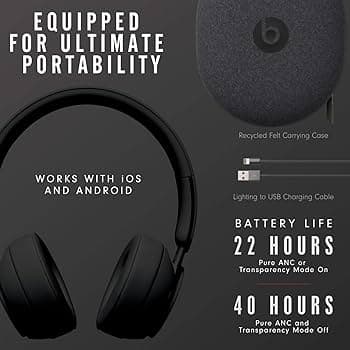
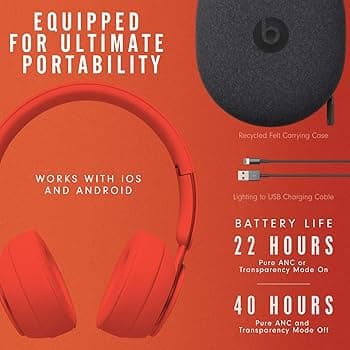
Beats Solo Pro feature card: equipped for ultimate portability, 22 and 40 hours of battery life
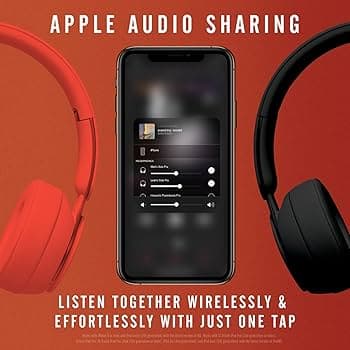
Beats feature card: Apple audio sharing, listen together wirelessly with one tap
Beats Solo Pro in red: equipped for ultimate portability
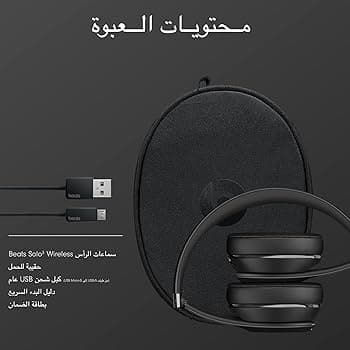
Beats Solo3 Wireless box contents card, Arabic edition

User Experience Design

The success of these applications hinged on creating intuitive interfaces that required minimal instruction:

  • Developed gesture-based interactions that felt natural and discoverable
  • Created progressive disclosure of features to prevent overwhelming users
  • Implemented subtle guidance elements that encouraged exploration
  • Designed experiences that worked equally well for 30-second or 5-minute interactions
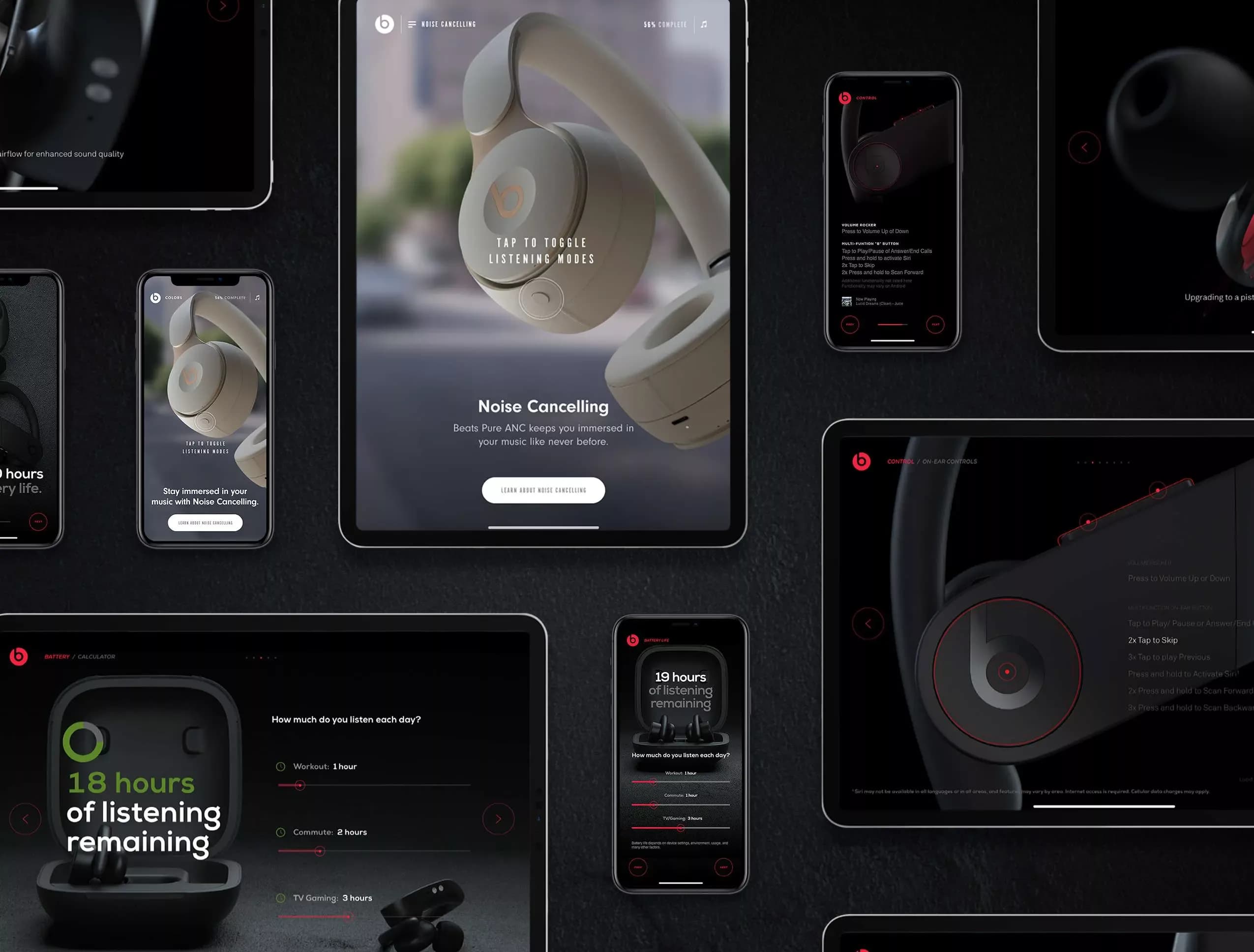
Beats Tempo screens laid out across iPhones and iPads: noise cancelling, battery life, listening modes
Beats Tempo — the D&AD-winning showcase, across every screen size.

Results

The suite of applications became an integral part of the retail strategy for new Beats and AirPods releases, increasing time spent with products in store and providing sales associates with effective tools to demonstrate key differentiating features. Customer surveys showed significant improvement in feature awareness following interaction with these applications.
Nike Run Club Prototypes

As lead iOS engineer for Nike Run Club prototypes, I directed a team tasked with pushing the boundaries of what a fitness application could be. Our work focused on enhancing Nike's flagship running app through innovative features, performance optimizations, and seamless integration with Nike's broader ecosystem.

Nike Run Club prototype home: pick a run by duration or by intention
Nike Run Club prototype: a guided run in progress
Nike Run Club prototype: coaches and programs

The Challenge

Nike Run Club is used by millions of runners worldwide, creating unique challenges in terms of scale, performance, and feature parity. Our team needed to develop prototypes that could be rigorously tested, rapidly iterated, and smoothly integrated into the production environment without disrupting the existing user base.

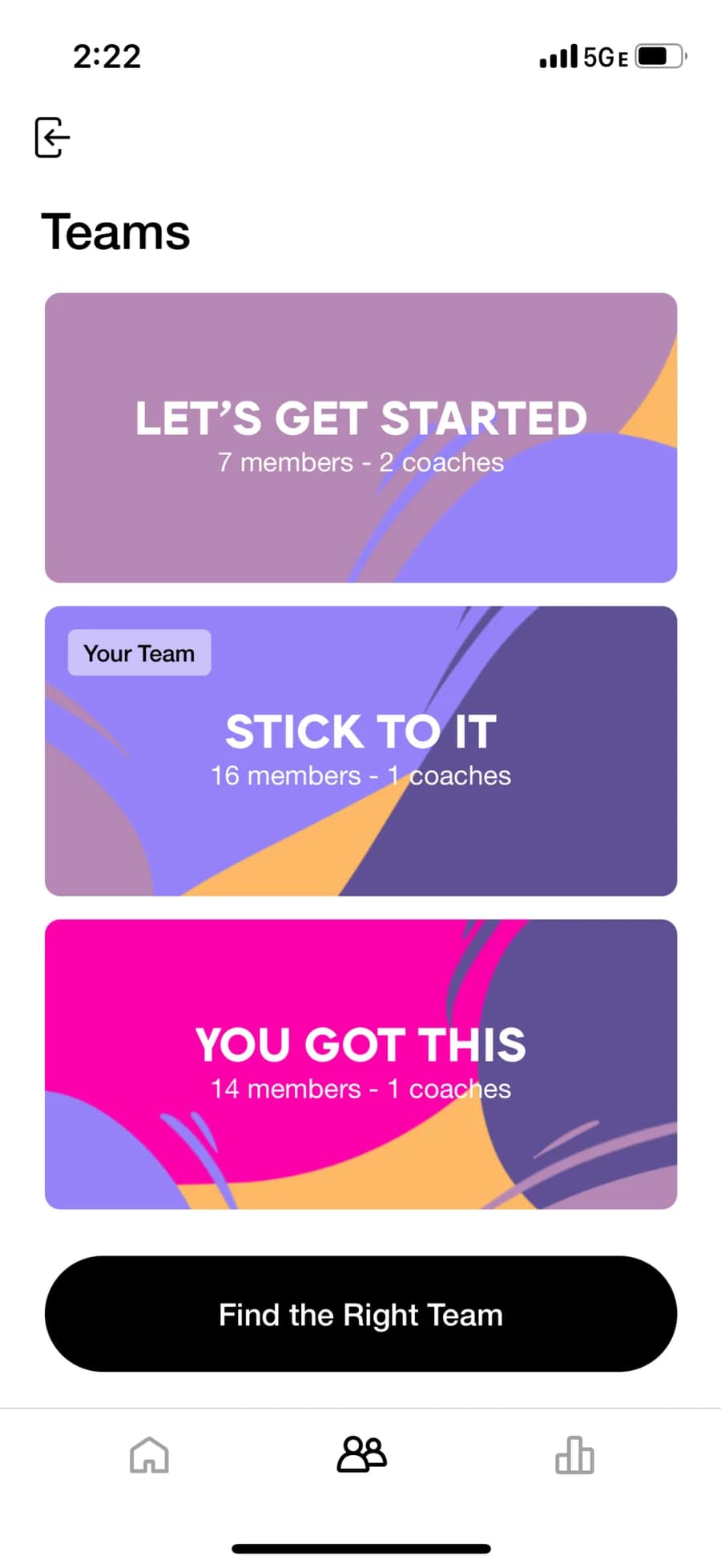
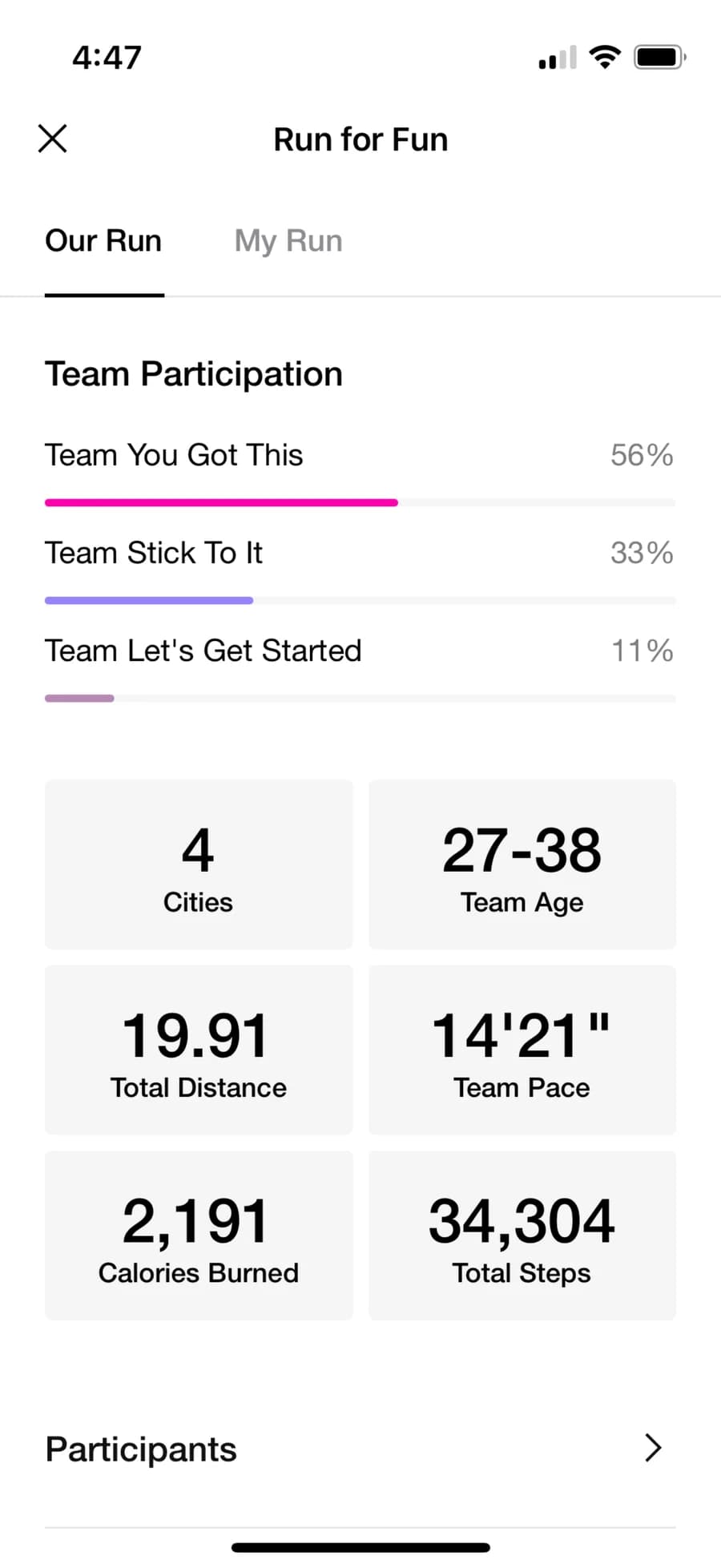
Nike Run Club prototype: Teams — let's get started, stick to it, you got this
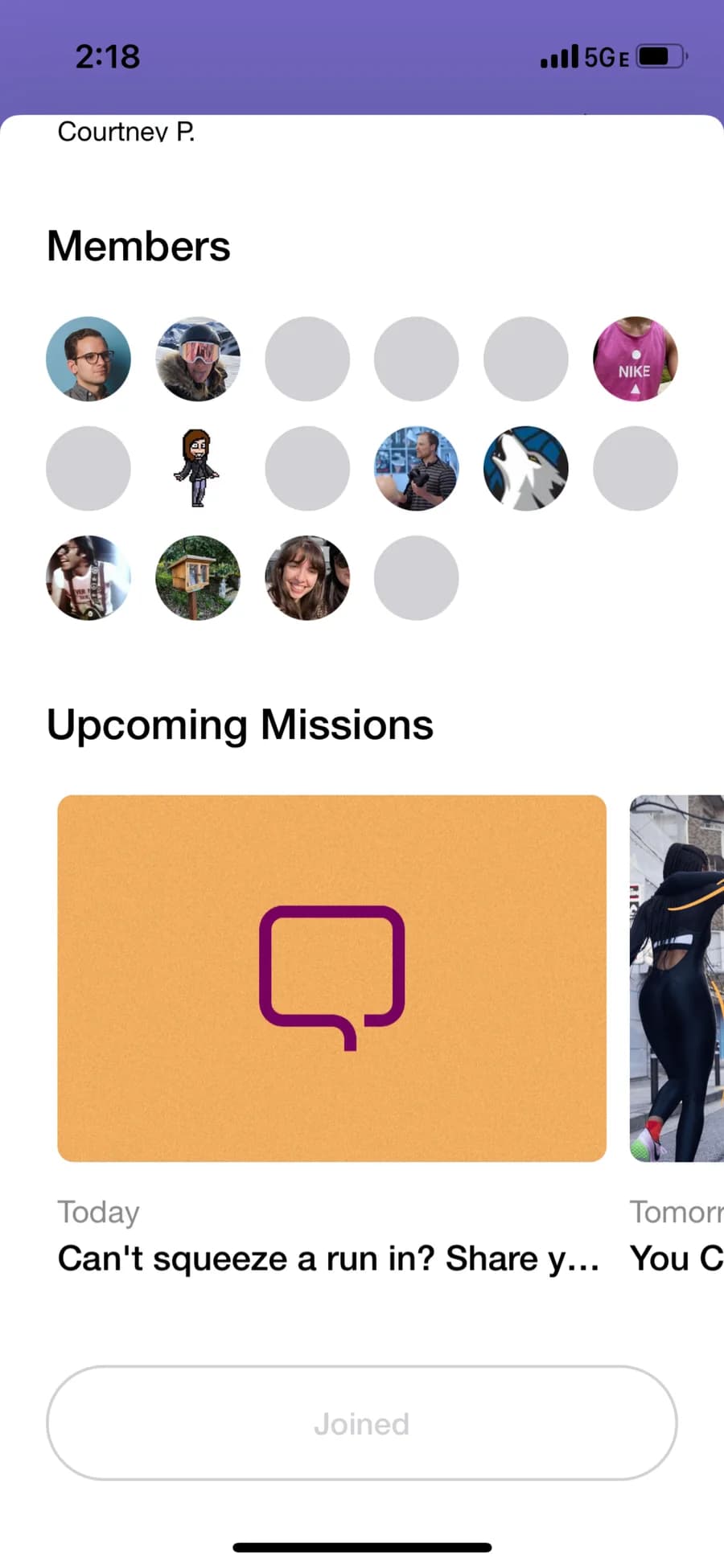
Nike Run Club prototype: a team's members and coaches
Nike Run Club prototype: finding the right team

Team Leadership

Leading a team of three iOS engineers, we established a development framework that prioritized both innovation and stability:

  • Implemented agile workflows optimized for prototype development and testing
  • Created technical specifications that aligned with Nike's broader technology roadmap
  • Established code review processes that maintained quality across 30+ app releases
  • Mentored junior engineers in best practices for large-scale consumer applications

Technical Innovation

A cornerstone of our work was implementing a modular MVVM architecture that facilitated faster prototyping while maintaining production-level code quality:

  • Designed feature modules that could be developed and tested independently
  • Created a robust state management system for handling complex user interactions
  • Optimized networking layers for reliable performance in variable connectivity environments
  • Implemented comprehensive analytics to gather actionable insights from prototype testing

In-Store Experiences

In parallel with Nike Run Club enhancements, our team developed in-store prototypes that bridged digital and physical retail experiences:

  • Created interactive product showcases using ARKit
  • Developed personalized shopping experiences tied to Nike membership profiles
  • Built commerce applications specifically optimized for emerging markets
  • Designed offline capabilities that ensured consistent experiences regardless of store connectivity

Results

Our prototypes led to multiple successful feature launches within Nike Run Club, contributing to increased user engagement and retention. The modular architecture we developed became a blueprint for other Nike digital products, improving development efficiency across teams.

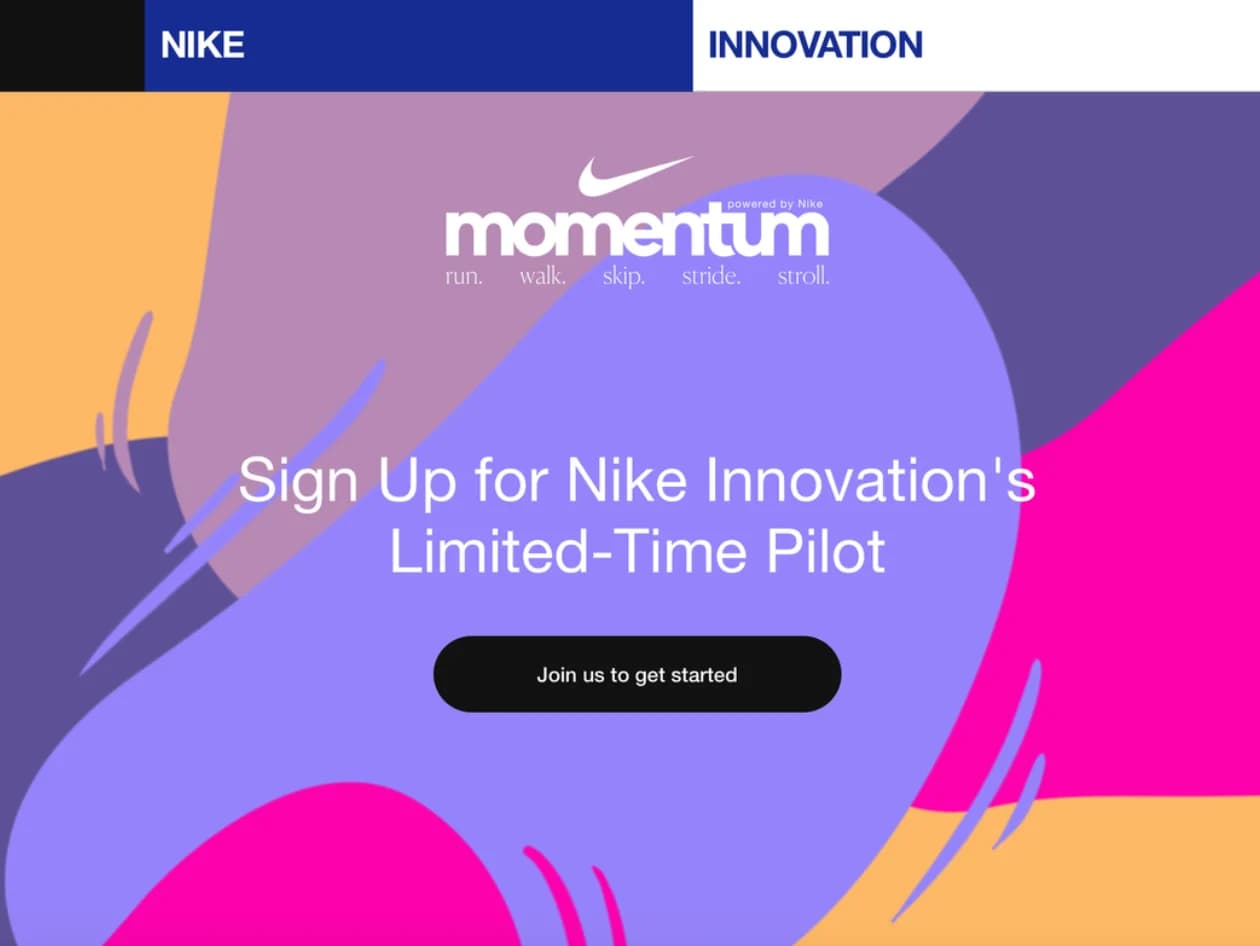
Nike Innovation's Momentum pilot sign-up page: run, walk, skip, stride, stroll
Momentum — a Nike Innovation limited-time pilot that grew out of the prototype work.

ResyOS Restaurant Management System

During our contract with Resy, we focused on enhancing the iPad-based ResyOS platform, the operational backbone used by restaurants to manage reservations, guest experiences, and service workflows.

ResyOS on an iPad: the floor plan with tables, the waitlist and the evening's reservations
ResyOS on the iPad — the floor, the waitlist and the book on one screen.

The Challenge

Restaurant environments present unique challenges for software: high-pressure usage, variable connectivity, and users who need to multitask efficiently. ResyOS needed to perform flawlessly during peak service hours while presenting complex information in a way that could be quickly understood by busy staff.

UI Enhancement Focus

Working within an established team of senior engineers, I concentrated on refining and optimizing the user interface:

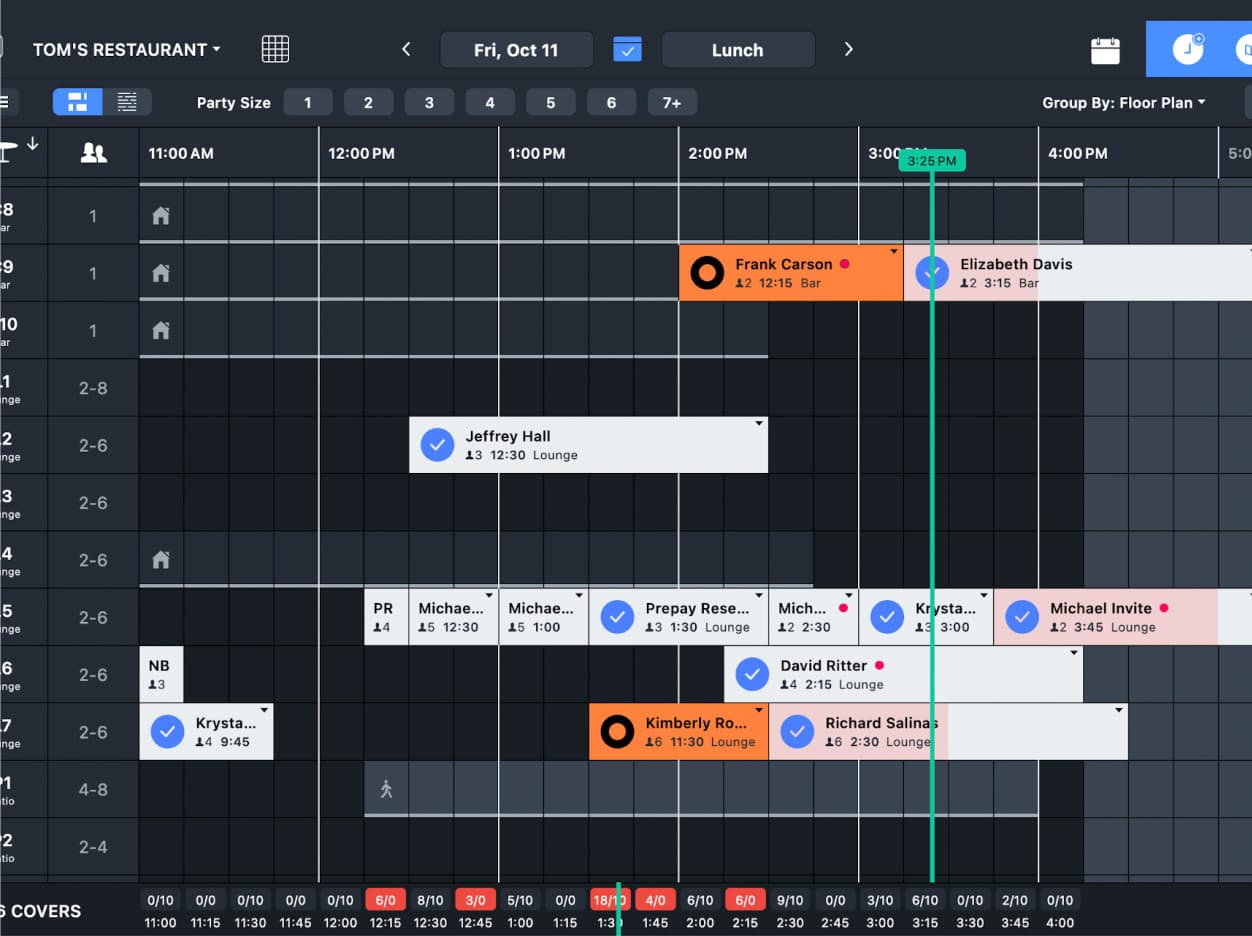
  • Reimagined table management screens for improved glanceability during service
  • Streamlined guest check-in workflows to reduce friction during peak times
  • Implemented performance optimizations for smoother scrolling and state transitions
  • Created adaptive layouts that functioned effectively in various restaurant settings
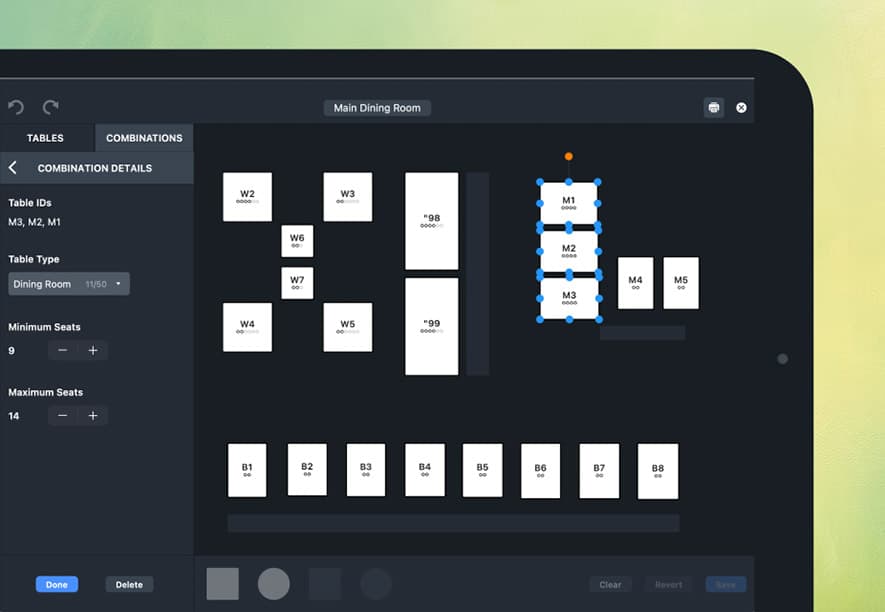
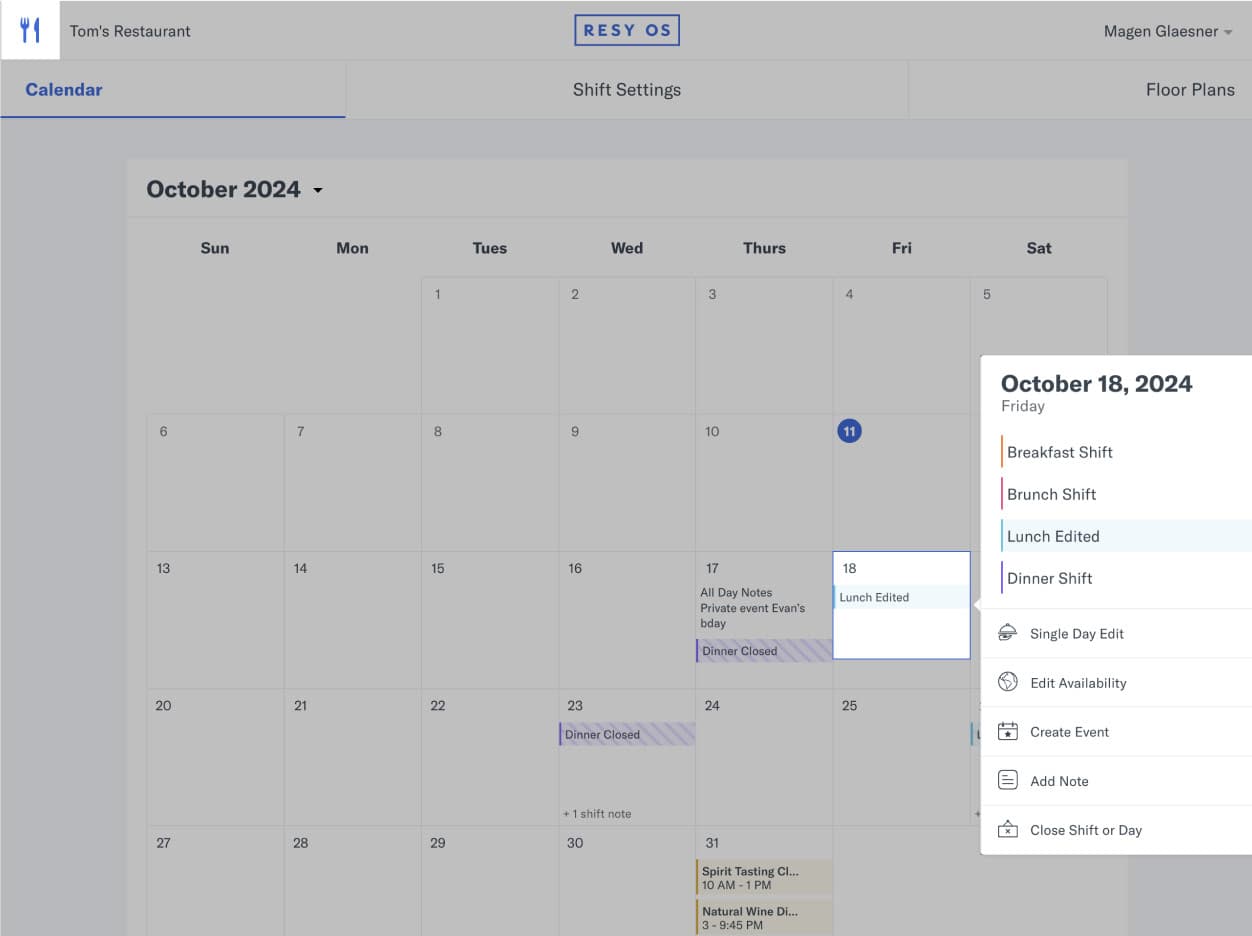
ResyOS table combinations editor on an iPad
ResyOS service view on an iPad

Technical Contributions

Beyond visual improvements, I made significant technical enhancements to the platform:

  • Reduced memory usage by implementing more efficient rendering approaches
  • Improved state synchronization between devices to ensure consistent data
  • Enhanced offline capabilities to maintain functionality during connectivity issues
  • Optimized database queries to improve response times for common actions

Collaborative Process

Working with a small, senior team required a careful approach to implementation:

  • Participated in collaborative code reviews focusing on performance and maintainability
  • Documented architectural decisions to ensure consistency across the codebase
  • Engaged directly with restaurant partners to gather real-world usage insights
  • Balanced immediate improvements with long-term technical sustainability

Results

The UI improvements implemented during my contract contributed to higher satisfaction scores from restaurant partners, reduced training time for new staff, and decreased support tickets related to confusion or workflow inefficiencies.

ResyOS detail: a table's reservation card during service
ResyOS detail: guest notes and visit history